Condolences, Then a Question About Parking: The Strange Afterlife of Local Obituaries
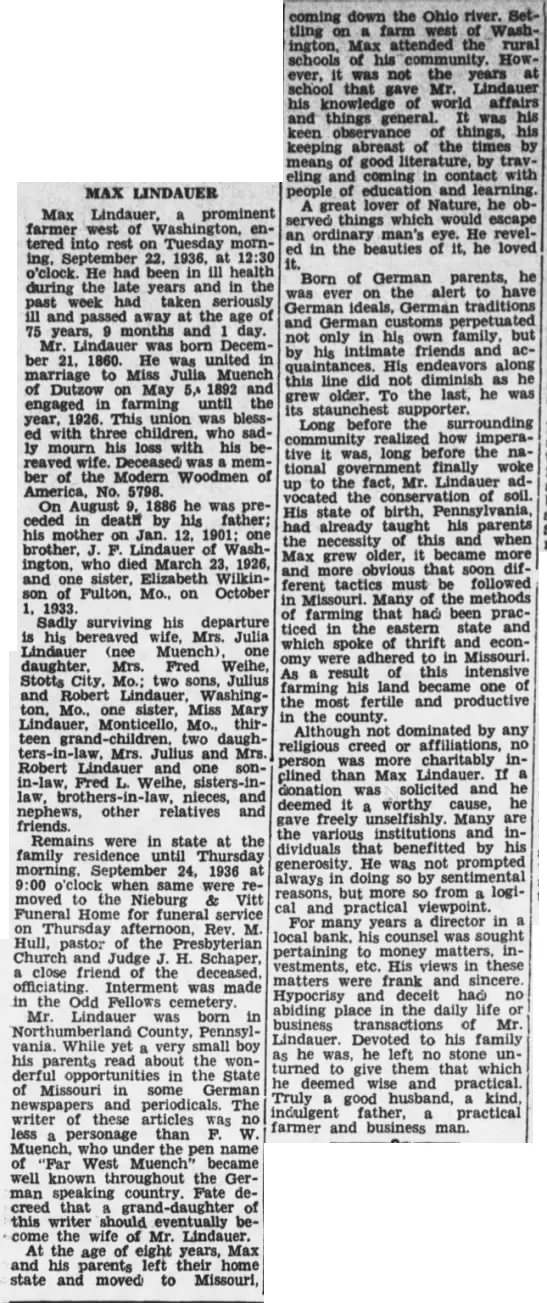
Photo: AnonymousUnknown author, Public domain, via Wikimedia Commons
The Comment Section as Parish Noticeboard
The death notice is a small rectangle of newsprint, usually paid for by the family, usually with a photograph from a decade when everyone looked older. It says: peacefully at home, much loved, funeral at St Mary’s, donations to the air ambulance. Then it goes online, and the comment section opens.
This is where it gets strange. The first comments are from people who knew the deceased. Then come the strangers. They offer condolences with the confidence of old friends. They say ‘RIP lovely lady’ and ‘thinking of you all at this sad time’. They may have met the person once, in 1987, at a wedding. They may not have met them at all. They may have clicked through from a Facebook group about local history and decided to pay their respects anyway.
The Etiquette of the Almost-Grieving
There is no rulebook for this. The family has posted a notice in a newspaper, which is a public act, and the newspaper has put it on a website, which is another public act. The comments are therefore public too. But the emotional register is private. Strangers are not sure whether to comment, and families are not sure whether to read.
The etiquette that has emerged is improvised. Keep it short. Do not ask for details. Do not correct the spelling of the deceased’s name. Do not mention your own bereavement at length. Do not use the thread to complain about parking at the crematorium, although people do. The dark comedy is built in: a tribute page where someone has written ‘so sorry for your loss’ directly above a reply asking whether the wake is at the pub or the working men’s club.
When the Thread Outlives the Notice
Local newspaper websites are not built for permanence. They are built for page views and obituary notices that used to be a reliable revenue stream. But the comment threads have a strange afterlife. They keep going after the funeral. They keep going after the notice has been archived. Someone posts a memory. Someone posts a photograph. Someone asks if this is the same surname who lived on that street. The algorithm serves ads for funeral plans and stair lifts.
The thread becomes an accidental archive. It records not just the death but the network around it: who was related to whom, who fell out, who turned up. It is a parish noticeboard that nobody designed and nobody maintains. It is also, occasionally, a place where grief is performed for an audience that is not quite there.
A Modest Proposal for the Digital Wake
The strange thing is not that strangers comment. It is that we expect them not to. Death notices have always been public. The difference is that the public can now answer back. A woman in her seventies reads the obituaries in the local paper the way other people read the news. She comments because it is the only way she knows to say: I was here too. I remember.
That is not creepy. It is just a new version of an old habit. The comment section is a digital wake, held in a room with no walls, attended by people who may not know the guest of honour. The etiquette is still being written. In the meantime, the strangers keep commenting, and the algorithm keeps serving sympathy, and the thread keeps going, long after the notice has gone quiet.