House! Then Nothing: The Slow Ghosting of Britain’s Bingo Halls
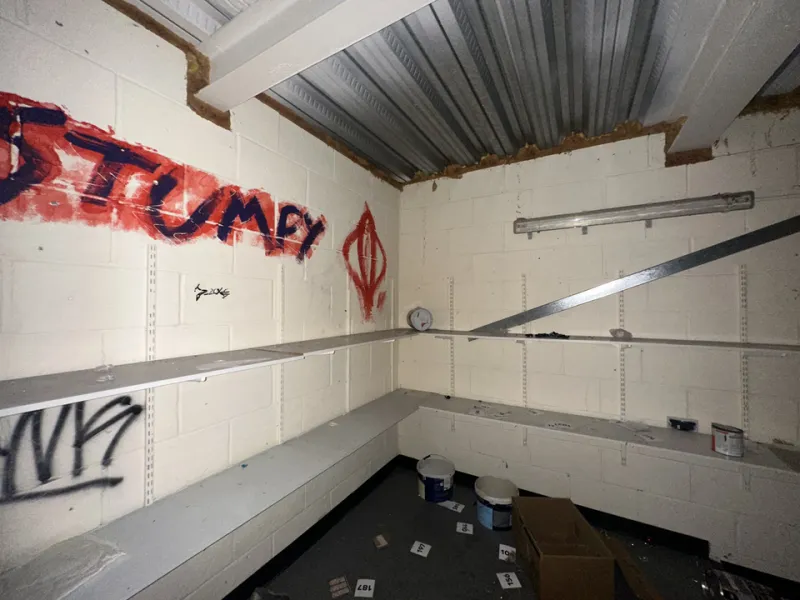
Photo: OathOn, CC BY-SA 4.0, via Wikimedia Commons
The Voice That Held the Room
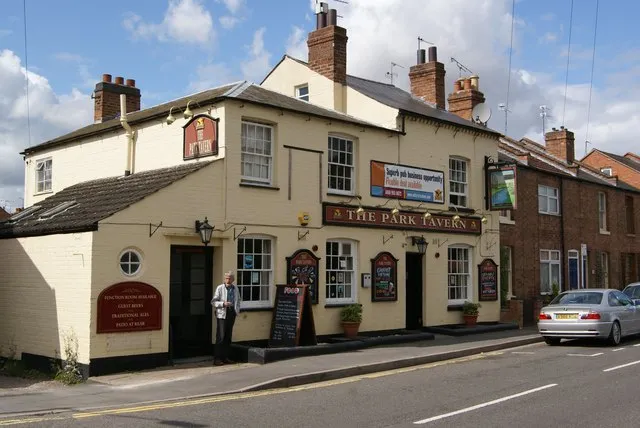
The caller is the last person to leave a bingo hall, even when the hall has already left him. You hear it in the empty rooms: a voice testing the microphone, running through the old litany — Kelly’s eye, one. Legs eleven. Two fat ladies, eighty-eight. The numbers are nonsense until they are spoken, and then they are a kind of scripture. In Bradford, in Grimsby, in the faded seaside towns where the promenade used to end at a Mecca or a Gala, the callers are fewer now. The halls are closing, or have closed, or are pretending to be something else: a gym, a storage unit, a block of flats with a marketing suite where the stage used to be.
Bingo was never just gambling. It was a Tuesday night out with a coat check and a raffle. It was a room full of people who knew each other’s grandchildren’s names. The caller was compère, comedian, timekeeper and minor deity. He — and it was usually a he — could make a room laugh, hush, gasp. The numbers were the script; the audience did the rest. When the hall goes, the caller loses a congregation.
The Number Board Is Still Warm
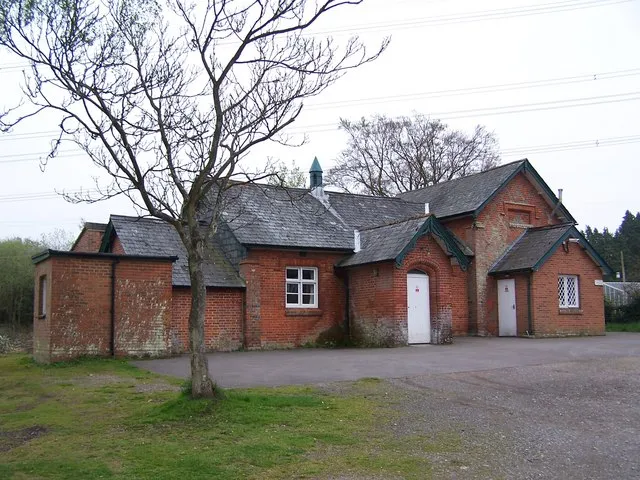
Walk into a closed bingo hall and the first thing you notice is how much of it is still there. The board. The daubers. The plastic chairs stacked like an argument that never got finished. The stage, with its little lectern and its dead microphone. The raffle tickets in a shoebox. The tea urn that someone forgot to unplug. These places do not close so much as stop mid-sentence.
The number board is the strangest relic. It is a scoreboard for a game nobody is playing, a grid of small lights that once told a room what to do. In some converted halls, the board is still on the wall, painted over or boxed in behind plasterboard, a fossil in the retail unit that used to be a social club. Builders find them and post photographs online. The comments are always the same: my nan went there. I can still hear the caller.
Regulars do not simply stop. They get minibuses to the next town, or they play online with the sound off, or they sit in the pub and do the numbers in their heads. The ritual is portable; the room is not. That is the problem. Bingo needed a room the way a church needs a roof.
The Silence After ‘House’
The moment a game ends is not the silence. The silence is the moment after the win, when the caller says house, the room claps, the prize is counted, and then everyone resets for the next game. It is a small, warm death and resurrection, repeated six or seven times a night. The hall closing is different. It is a reset that never comes.
People who worked in bingo talk about the last night the way other people talk about a last day at a factory. The regulars bring cake. Someone cries. The caller does the final numbers and then there is nothing to say. The microphone goes dead. The lights go up. The car park empties. The building does not know what it is for anymore.
That is why the closed bingo hall feels haunted rather than merely empty. It is not a place where something terrible happened. It is a place where something ordinary stopped happening, and the ordinary thing was a room full of people saying the same numbers to each other, week after week, for decades.
A Civic Monument in Reverse
We are good at listing the things we lose when a high street closes: jobs, footfall, a place to buy a birthday card. Bingo halls are harder to quantify. They were warm, cheap, intergenerational, and open to people who had nowhere else to be. They were also a bit ridiculous, which is what made them work.
The ghosts of the caller are not scary. They are the sound of a Tuesday. In the empty hall, the number board waits for a game that will not restart, and the microphone waits for a voice that has gone home. Eyes down, the room says to itself. And then nothing.