Under the Table, the Floor Remembers: Britain’s Haunted Pub Carpets
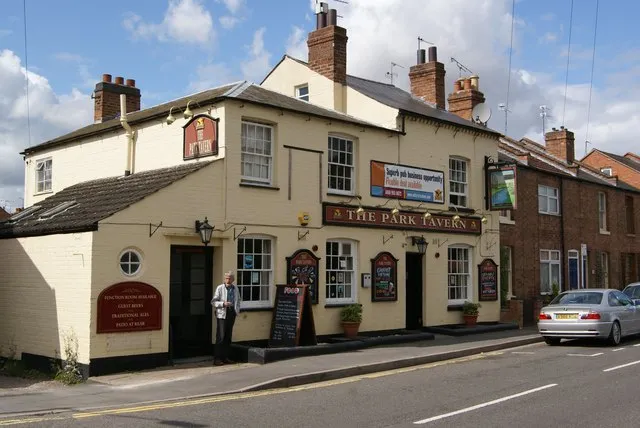
Photo: Colin Craig, CC BY-SA 2.0, via Wikimedia Commons
There is a particular smell that comes before the memory: hot chips, lemon-scented cleaner, a ghost of stale beer. Then the eyes drop to the floor. There it is — a carpet the colour of a bruised plum, crossed with acid-yellow lozenges and a vine pattern that seems to have been designed by someone who had heard about plants but never met one. You have never been in this pub before. You know exactly how it feels.
That is the odd contract Britain has with its pub carpets. They were never meant to be iconic. They were meant to be practical. And yet, long after the chain has rebranded, the building has become flats and the upholstery has gone to landfill, the pattern survives — in photographs, in jokes, in the corner of the mind that files away the smell of a Sunday carvery.
A Floor Designed to Forget You
The classic British pub carpet is a lesson in misdirection. Busy geometries, dark grounds, swags of foliage, diamonds inside diamonds: all of it was there to do a job. A patterned Axminster or Wilton could absorb spills, disguise cigarette burns, deaden the clatter of cutlery and make a vast room feel warmer than its radiators deserved. In the great age of the chain pub and the hotel restaurant, the carpet was also a brand asset. It told you where you were without a sign. It could make a Harvester feel like a Harvester, a Brewer’s Fayre like a Brewer’s Fayre, a local boozer like a local boozer, even when the menus were printed by the same company.
The patterns themselves often came from the strange borderland between heritage and haste. Designers reached for Tudor roses, tartans, Arts and Crafts tendrils, mock-Jacobean swirls, and — in the 1980s and 1990s — increasingly bold geometrics that looked less like tradition and more like a carpet that had been exposed to a strobe light. The result was a visual language nobody spoke fluently but everyone understood. You knew the carpet by the pub, and the pub by the carpet.
What nobody planned for was the memory. A carpet is not a painting. You do not stand back and admire it. You walk on it, spill on it, queue on it, wait for a taxi on it. Because you are usually looking down — at your pint, your phone, your child, the sticky patch by the fruit machine — the pattern enters the mind sideways. It becomes part of the room’s atmosphere rather than its decor.
The Pattern That Outlives the Pub
In 2026, the strange afterlife of these carpets is mostly digital. Search hard enough and you will find Flickr albums, old menu scans, Facebook groups devoted to lost interiors and threads where people try to identify a carpet from a single blurry photo of a wedding reception. There is something almost forensic about it. A corner of a carpet can pin down a decade, a chain, a town, a night out that ended badly in 1997.
The internet has turned the pub carpet into a kind of unofficial archive of indoor Britain. Not because the carpets were beautiful — though some were — but because they were everywhere. They were the background of first dates, family arguments, wake lunches, underage pints and the long wait for a taxi that never came. When a pub closes, the carpet often goes with it. When a chain refurbishes, the carpet is the first thing to disappear. And yet the pattern stays lodged in the mind like a half-remembered song.
This is where the haunting begins. A new owner strips the place back to bare boards and exposed brick. The walls are painted sage. The menu is small plates. The lighting is low and flattering. It should feel clean, contemporary, free of the past. But in certain rooms — the ones with low ceilings and a stubborn smell of gravy — something lingers. Not a ghost in the traditional sense. More a kind of spatial indigestion. The room remembers a carpet that is no longer there.
Underfoot, Something Waits
There is a reason these patterns feel uncanny. They are almost too deliberate. A floral carpet in a pub is not like a floral carpet in a house. It is a commercial decision, repeated across dozens of rooms, designed to be looked at and not looked at at the same time. It creates a kind of visual static. Stare at it long enough and the shapes begin to move: diamonds becoming eyes, vines becoming veins, the dark ground becoming a hole you could fall through.
That is the secret of the haunted pub carpet. It is not scary because it is old. It is scary because it is familiar. It belongs to a version of Britain that still believed a room could be made welcoming by covering every surface in a pattern. It belongs to a version of Britain that thought a carpet could solve a problem. And in a country currently obsessed with stripping things back, exposing the brick and pretending the past never happened, there is something almost defiant about a floor that refused to be tasteful.
So next time you find yourself in a chain pub, a hotel bar or a village hall with a carpet that looks like a migraine in a good way, look down. The room may have changed hands. The menu may have changed language. The carpet may be the only thing that remembers what the place was for. And if you feel, just for a second, that someone is standing behind you — someone who has been waiting since 1988 for a prawn cocktail and a pint of mild — do not turn around. Just admire the pattern. It has been waiting longer than you have.