The Dry Season: Britain’s Empty Lidos and the Summer That Won’t Leave
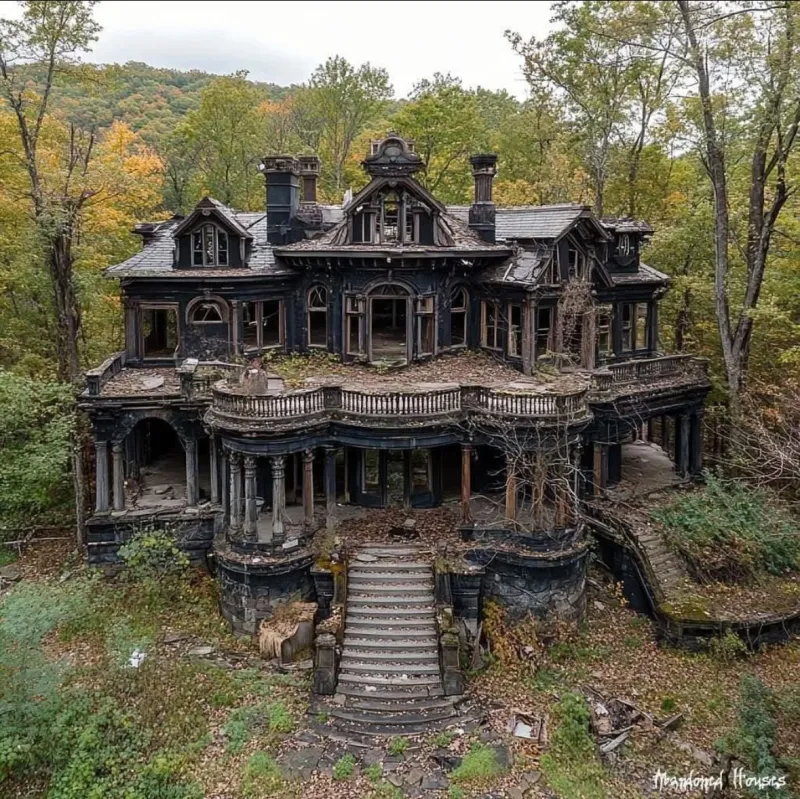
Photo: abandoned lido empty outdoor swimming pool cracked concrete UK summer, via i.pinimg.com
On a hot day in July, an empty lido can sound like a crowd that has just stopped clapping. The water is long gone, the tiles are blistered, and the changing cubicles smell of hot dust and old chlorine ghosts. Yet the basin still seems to hold something: a shout, a splash, the brittle applause of a municipal summer. Britain is full of these dry bowls. Some sit behind locked gates, some have been half-reclaimed by buddleia, and some are still circled by local dog-walkers who swear the place feels busier than it looks.
The Architecture of a Held Breath
A working lido is a machine for collective relief. You queue, you change, you shuffle towards the water in a state of mild public embarrassment, and then the cold hits you and everyone becomes briefly honest. An abandoned lido keeps the shape of that ritual but removes the release. The steps still lead down. The depth markers still promise a safe descent. The concrete still curves where the water used to push against it. What is missing is the element that made the whole thing make sense.
That is why empty pools feel like accidental horror sets. They are not ruined buildings in the usual sense. A ruined church or a collapsed mill reads as ancient. A lido reads as recently interrupted. The lane ropes may be gone, but the tiling still remembers them. The lifeguard’s chair may be a skeleton of rust, but the angle of it still says someone should be sitting there. You do not have to believe in ghosts to feel that a place has been left mid-sentence.
In Britain, this is amplified by weather. Our summers are not reliably hot enough to make outdoor pools a simple business proposition, but they are hot enough to make them a powerful memory. A lido is always a gamble against the sky. When it closes, it feels less like a failed leisure facility and more like a broken promise about the season itself.
Folk Memory and the Lido Ghost
Every abandoned lido seems to attract a story. Sometimes it is a child who went under and was never found. Sometimes it is a swimmer who kept doing lengths after closing time. Sometimes it is simply the sound of water lapping in a basin that has been dry for thirty years. These stories are rarely precise. They do not need to be. The lido is a natural folkloric engine because it combines three things the British imagination loves: municipal optimism, physical decay and the seaside-adjacent dread of pleasure going wrong.
Local newspapers used to fill columns with lido campaigns. Save our pool. Restore the baths. Reopen the diving boards. Those campaigns often failed, and the failure left a particular kind of civic sadness. The lido becomes a symbol of what the town once offered and no longer can. In the years since, the internet has done what the internet does: it has turned that sadness into photographs. Empty pools look extraordinary on a phone screen. The geometry is clean, the colours are strange, and the absence of people makes the place look staged. A generation that never swam there can still feel nostalgic for it.
Why Empty Pools Make Perfect Horror Sets
Horror has always understood that swimming pools are liminal. They are neither land nor sea. They are supervised wildness, a rectangle of risk with a clock on the wall. When the water goes, the liminality curdles. The pool becomes a room designed for bodies that are no longer there. The diving board points at nothing. The shallow end looks like a stage. The deep end looks like a throat.
This is not just a visual effect. It is acoustic. Empty pools have a peculiar reverb. Sound bounces off the walls and comes back slightly wrong. A footstep becomes a clap. A voice becomes a murmur from the other side of the basin. If you stand at one end and speak, you can hear yourself arrive a fraction late. In a working pool, that delay is hidden under splashing and shouting. In a dry pool, it is the only thing left.
That is why film-makers and photographers keep returning to them. The lido gives you a ready-made set for loneliness, but it also gives you a ready-made set for community that has vanished. The horror is not that something awful happened there. The horror is that something ordinary happened there, repeatedly, and then stopped.
2026 and the Nostalgia Economy
In 2026, the abandoned lido has become a strange kind of heritage site. Some have been restored and now sell themselves on exactly the atmosphere that their dereliction once provided: vintage tiles, retro signage, the promise of a simpler summer. Others remain fenced off, photographed by urbex accounts and local history groups, their cracked basins used as backdrops for music videos and moody portraits.
There is a tension in this. We want the lido back, but we also want the melancholy of the lido that was lost. The restored pool is a nice day out. The abandoned pool is a story. Britain has always been good at turning decay into atmosphere, and the lido is one of the most potent examples. It is not quite a castle ruin and not quite a theme park. It is a municipal dream with the water drained out.
The Echo Is the Point
Perhaps that is why the empty lido lingers. It is a reminder that summer in Britain is never only about heat. It is about expectation, improvisation and the brief communal willingness to be cold and happy in public. When the pool closes, that willingness has nowhere to go. It hangs around the tiles. It sits in the changing rooms. It waits at the top of the steps.
So next time you pass a dry basin behind a fence, listen. You will not hear water. You will hear the shape of a crowd, the ghost of a whistle, the echo of a summer that refuses to be formally declared over. The pool never really closed. It just stopped pretending to be a pool.