Please Rewind: The Haunted Afterlife of Britain’s DVD Rental Shops
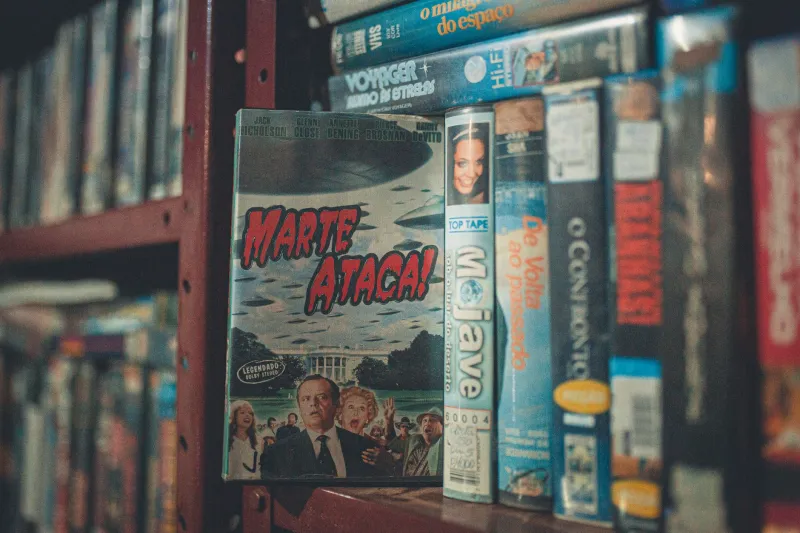
There is a smell to a dying DVD shop. Warm plastic, laminate, dust and the faint ghost of popcorn from a counter that once sold pick-and-mix. In 2026, Britain’s remaining rental shops are not quite museums and not quite businesses. They are waiting rooms for physical media, staffed by people who can still remember when a new release wall meant something.
The shops that survive tend to be stubborn, local and slightly chaotic. A shelf of ex-rental horror. A boxset section held together by tape and hope. A handwritten sign explaining that the card machine is down, again. These places are not curated by an algorithm. They are curated by whoever ran out of shelf space and bought whatever the town asked for on a wet Tuesday.
That is what makes them worth mourning properly. Not the nostalgia, but the record.
The Shop as an Unintentional Archive
A national archive collects what it thinks matters. A DVD rental shop collects what people actually wanted. Those are rarely the same thing. The surviving shelves are full of British horror films that never made the leap to streaming, regional comedies, straight-to-DVD thrillers, workout tapes, children’s cartoons with terrifying cover art and boxsets of television that has since been quietly deleted from existence.
The rental copy is its own artifact. It has the shop sticker, the barcode, the due-date slip, the scratches, the occasional warning that disc two is missing. An ex-rental DVD is not a pristine object. It is a used object with a paper trail. Someone took it home. Someone kept it too long. Someone probably watched it with the curtains closed.
When a shop closes, that local knowledge goes with it. Not just the films, but the metadata around them: which titles sat on the staff picks shelf, which horror sequels kept coming back late, which customers had to be gently told that, no, they could not rent the same disc for a sixth week running.
The Cult of the Unwatched
Collectors have a strange relationship with unwatched rentals. A sealed DVD is one thing. A rental copy that has clearly been borrowed, handled and returned but maybe never played is another. It feels like a promise that outlived the person who made it. The film is still there, but the viewing never quite happened.
That is the haunted part. Not ghosts in the tape, but unfinished business in the plastic. An unwatched rental implies a plan: a Friday night, a takeaway, a person who meant to press play and didn’t. The object carries the shape of that missing evening. Collectors like to say they are rescuing the films. Often they are rescuing the intention too.
There is also the simple fact that rental shops kept things alive by accident. A title that flopped in cinemas might have found a second life on the shelves. A British horror film with no streaming deal might have been rented by the same three people every year. That is not a market. It is a small, stubborn audience, preserved in plastic.
What Closes When the Shutter Comes Down
Since the last big rental chains collapsed in the 2010s, the story has been told as a simple one: streaming won, DVDs lost, move along. But the last independent shelves tell a messier story. Physical media has not vanished. It has become niche, collectible, expensive and sometimes maddeningly incomplete. In 2026, you can still buy a DVD. You just can’t always rent one from a person who knows what you liked last time.
That human recommendation is the part no algorithm has replaced properly. A good rental shop was a conversation. It was the staff member who said, try this, ignore the cover, bring it back Monday. It was the shelf that mixed up genres because the person stacking it had opinions. It was local taste made visible.
When those shelves disappear, we lose more than access. We lose the accidental archive of what a street, a town or a bored teenager actually watched. Streaming remembers everything and surfaces very little. The rental shop forgot nothing and displayed it badly, which is a much more human way to run a culture.
A Field Note for the Curious
If you find one of these shops still open, do not treat it like a museum exhibit. Rent something. Buy an ex-rental disc. Ask the person behind the counter what people keep coming back for. Check the disc before you leave. Accept that the case may smell faintly of someone else’s carpet.
The last shelf is not sacred because it is old. It is sacred because it is a record of appetite. The ghosts are not in the DVDs. They are in the gaps: the missing disc two, the empty slot where a film used to live, the due date that nobody stamped. Please rewind, if you can. The machine may not be listening, but the shelf remembers.