The Beast Is Trending: Seven British Cryptids Ready for Their Close-Up
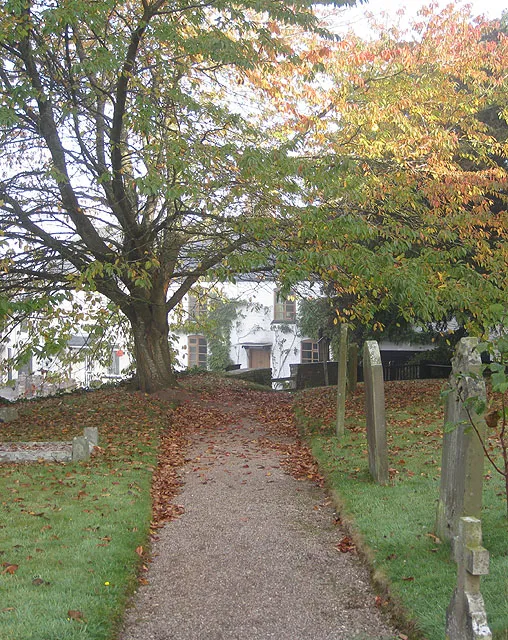
Photo: Pauline Eccles, CC BY-SA 2.0, via Wikimedia Commons
British folklore has always been a renewable resource. Every generation gets the Black Shuck it deserves. In 2026, the old beasts are not being debunked so much as remixed. TikTok ghost-hunters, Reddit threads and AI-generated sightings have turned regional legends into content, and the effect is strange: the more obviously fake the evidence, the more the stories seem to breathe.
Below are seven British cryptids due a comeback, plus notes on where the curious might go looking. Treat it as folklore, not a field guide. And please: no trespassing, no harassing wildlife, no pretending a bin bag in a hedge is proof of anything.
1. Black Shuck
East Anglia's giant black dog is the reliable old nightmare of British cryptid culture: a hellhound with red eyes, a storm on its back and a habit of turning up near churches. The legend is old enough to have left scorch marks on church doors and new enough to be constantly retold. In 2026 it has a fresh audience. TikTok clips of alleged sightings, AI-generated images and local Facebook groups have given Black Shuck a ring light and a comments section.
Where to look: the churches at Bungay and Blythburgh in Suffolk, where the story clings to the stonework. The coast and the broads nearby are good for atmosphere, not evidence. Go for the folklore, not the proof.
2. The Owlman of Mawnan Smith
Cornwall's winged humanoid is a strange one: part owl, part man, all awkward terror. Reports from the 1970s around Mawnan Smith and the Helford River turned a quiet corner of the county into a favourite for paranormal picnickers. Modern Reddit threads have kept the story alive, and AI image tools have made the Owlman look more plausible than a man in a feathery cape has any right to.
Where to look: Mawnan Smith and the Helford River area. Stick to footpaths, respect private land and remember that a heron taking off at dusk can rearrange your entire nervous system.
3. The Beast of Bodmin
A big cat on the moor is a British classic. The Beast of Bodmin hit the headlines in the 1990s, complete with livestock worries, blurry photographs and the kind of official investigation that satisfies nobody. In 2026 the story is being kept warm by trail cameras, night-vision clips and AI upscaling, which can turn a fox into a panther with a single tap.
Where to look: Bodmin Moor, preferably with a map, a torch and realistic expectations. The moor is genuinely eerie. That does not make every shadow a zoo escapee.
4. The Loch Ness Monster
Nessie never really went away, but the internet has changed her job description. She is less a biological mystery now and more a media ecosystem: webcams, drone footage, sonar scans and endless debates about what is actually in the water. In 2026, AI-enhanced clips and TikTok analysis have made the loch feel like a live broadcast from a folk tale.
Where to look: Loch Ness and the surrounding visitor centres. The monster may be elusive; the merchandising is not.
5. The Big Grey Man of Ben Macdui
Am Fear Liath Mòr, the Big Grey Man of Ben Macdui, is the cryptid for people who prefer their horror with a side of vertigo. Reports describe an oppressive presence on Scotland's second-highest mountain, sometimes linked to the Brocken spectre and sometimes to something older and less explainable. Hiking vlogs and outdoor forums have reintroduced him to a generation that mostly meets him through a headcam and bad weather.
Where to look: the Cairngorms, and Ben Macdui if you are properly prepared. Mountain safety comes first. The Big Grey Man is not worth a rescue callout.
6. Spring-Heeled Jack
Victorian London's leaping menace is the original viral villain: a figure in a cloak, apparently able to clear walls and terrify entire neighbourhoods. He was tabloid fodder before tabloids had the internet, and he fits the online era perfectly. Creepypasta writers love him, AI reconstructions make him look like a concept album cover, and walking tours still give him a stage.
Where to look: old London streets and folklore walking tours. Spring-Heeled Jack is less a zoological puzzle than a urban legend with good cardio.
7. The Beast of Exmoor
Another big cat, another moor, another pile of blurry photographs. The Beast of Exmoor stalked the papers in the 1980s and has been sighted, debunked and resurrected ever since. Trail cameras and social media have given the story a second life, with every suspicious shape in a field getting the full forensic treatment from people who have never met a deer.
Where to look: Exmoor. Enjoy the landscape, keep your dog close and do not confuse a large domestic cat with a lion.
Why the internet keeps summoning them
What the internet is doing to these stories is not new. It is folklore doing what folklore does: borrowing a camera, exaggerating a shadow, turning a local rumour into a shared joke. The difference is speed. A sighting in Norfolk can be stitched, filtered and debated before the dog walker has got home. AI makes the evidence more convincing and less trustworthy at the same time.
If you want to go looking, start with local museums, folklore archives and organised ghost walks. The best cryptid hunt is a walk with a story attached, not a trespass. Britain is small, old and full of hedges that look like something else after dark. That is the point.