The Line That Never Engages: Britain’s Haunted Phone Boxes and the Fear of Being Unreachable
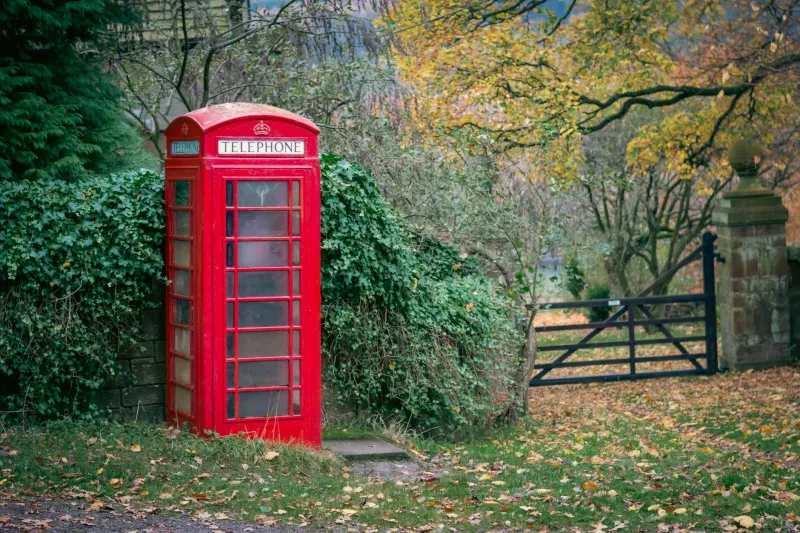
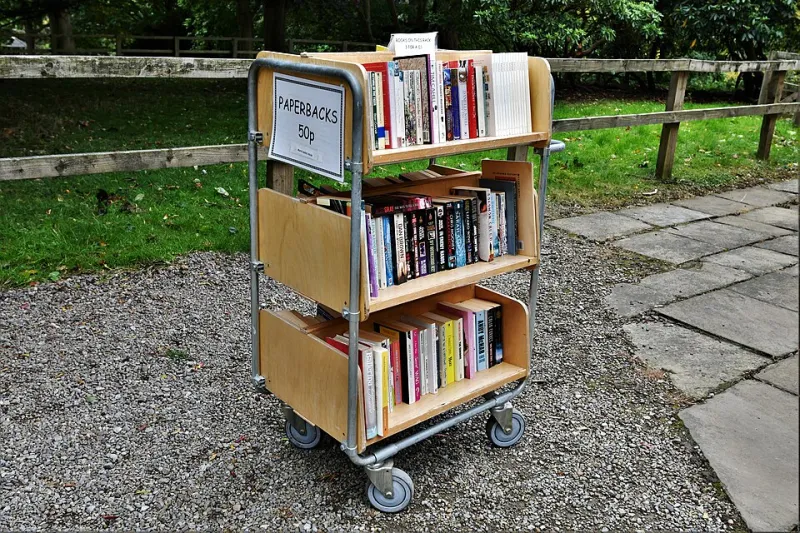
On a wet Tuesday in November 2026, a phone box in a village outside Hexham reportedly rang for eleven seconds. No one answered. According to the two people who heard it — a dog walker and a man putting out recycling — the ring was old-fashioned, mechanical, almost apologetic. The box has no handset. It has been a mini-library since 2019, its shelves stocked with paperback thrillers and a laminated note asking borrowers to be kind. The line, as far as anyone knows, was cut years ago.
This is the sort of story that clings to Britain’s redundant telephone boxes. Not ghost stories exactly, more stories about ghosts in the machine. The red K6, designed by Giles Gilbert Scott and rolled out from the 1930s, is no longer infrastructure. It is furniture. It is nostalgia with a glass door. And, increasingly, it is a horror prop — a little crimson chapel to the idea that someone might still be trying to get through.
The box that outlived its purpose
There are still thousands of phone boxes standing across the UK, though the number shrinks every year. BT’s Adopt a Kiosk scheme has allowed communities to take them over for a nominal sum, turning them into book exchanges, defibrillator stations, coffee kiosks, art galleries and — in at least one case — a tiny disco. Some are listed. Some are simply too stubborn to remove. The result is a national collection of objects that no longer do their original job but refuse to disappear entirely.
That refusal is where the weirdness starts. A phone box is a room you can see into but not really enter. It is public and private at once. It has a door that suggests escape and glass that suggests exposure. In a horror film, you would not need to dress it. You would just need to leave it standing at the end of a lane, humming under a streetlight.
A library with a glass door
The repurposed boxes are mostly charming. A defibrillator box in a Welsh village is a small civic miracle. A book exchange in a Suffolk hamlet feels like a fairytale cottage that has been compressed. But there is something uncanny about the conversion too. The objects inside — paperbacks, first-aid kits, tins of dog treats — are signs of life, yet the structure itself still looks like a place where bad news arrives. The red paint does not know it has been repurposed. It is still waiting for a call.
And the boxes that remain connected are worse. There are not many, but they exist: kiosks still carrying a dial tone, still accepting coins in some cases, still listed in local memory as ‘the one that works’. People mention them the way they mention a pub with no phone signal or a road that floods. Then they tell you about an urban legend.
The stories follow a pattern. The phone rings as you pass. You answer. There is breathing, or a recorded voice, or a dial tone that sounds like the sea. Sometimes the voice knows your name. Sometimes it asks for someone who died years ago. Sometimes the handset is dangling when you arrive, swinging gently, as if someone has just stepped out for a moment. The details change; the feeling does not. It is the feeling of being contacted by a system that should have forgotten you.
The ones that still hum
Part of this is simply the eeriness of obsolete technology. A dead phone box is a reminder that communication has a lifespan. The dial tone, the pips, the recorded message — these are sounds from a country that used to queue. In 2026, we carry our phones like talismans and still find dead spots in valleys, basements and car parks. The phone box is a low-tech ancestor of the thing in your pocket, and its empty shell asks an uncomfortable question: what happens when the network moves on without you?
Vandalised directories make this literal. In boxes that still have their shelves, the Yellow Pages are often stripped to pulp, pages torn out, numbers scored through. Sometimes there is graffiti: a name, a date, a crude drawing of a face. Sometimes there is a single page left open at a plumber’s advert from 1998. These are accidental memorials. They show what we lose when a public resource becomes private nostalgia — not just the ability to call for help, but the shared knowledge of who to call.
Why the red box scares us now
The red phone box is a potent horror prop because it is a threshold that no longer leads anywhere. It is a door with no room behind it. In a UK context, it sits alongside the empty village hall, the shuttered post office and the bus stop with no timetable. These are not abandoned places in the American sense — no tumbleweed, no vast silence. They are places where the state has quietly stepped back and left a shape behind.
And loneliness in 2026 is not only about being alone. It is about being unreachable in a world that insists everyone is available. The dead phone box dramatises that fear. You can stand inside one, close the door, and become briefly invisible. You can lift a handset and hear nothing. The line is not dead; it is holding. That is the difference between a broken machine and a haunted one.
So the ringing box outside Hexham is probably a fault, a prank, a bit of local mischief. But the story has already done its job. It has made people look at a red glass box and wonder who might be on the other end. The answer, of course, is no one. The more unsettling possibility is that the call is coming from inside the country we thought we knew — from all the places we stopped answering.
If you pass a dead phone box this winter, do what the villagers do. Check the shelves. Read the torn directory. Listen for the hum. Then walk on, and try not to think about the fact that the line is still there, waiting, somewhere under the pavement, ready to engage.